Understanding Licensing Influences on Reward Distribution in Integrated Digital Gaming Platforms
Written by Quinn Keller · Jul 30, 2026
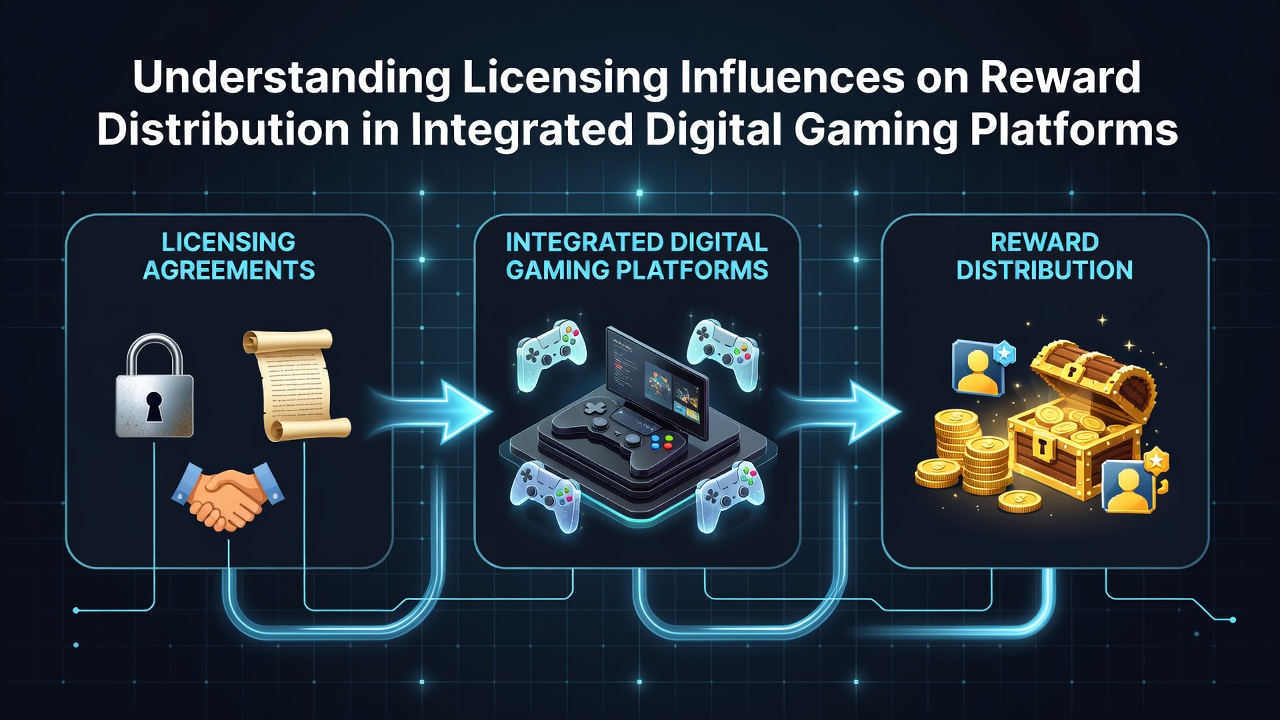
Understanding Licensing Influences on Reward Distribution in Integrated Digital Gaming Platforms
Licensing frameworks from multiple jurisdictions shape how rewards flow through integrated digital gaming platforms that combine slot machines with live dealer tables and other formats, and these rules determine eligibility windows, credit allocation patterns, and payout timelines across unified user accounts. Regulatory bodies in North America and Europe set distinct parameters that operators must follow when distributing sign-up incentives, ongoing promotions, and loyalty credits, which in turn affects how players move between game types without losing accumulated benefits.
Regional Licensing Structures and Their Direct Effects
Authorities such as the Alcohol and Gaming Commission of Ontario establish clear guidelines on bonus funding sources and redemption limits that operators incorporate into platform architecture, while the Pennsylvania Gaming Control Board enforces separate caps on promotional credits tied to specific game categories. These requirements create layered distribution models where a single license can restrict reward transfers between reel-based games and card table environments, forcing platforms to segment accounts or apply conversion rates that reflect jurisdictional priorities. Data from industry reports in mid-2026 shows operators adjusting reward algorithms quarterly to maintain compliance when multiple licenses overlap on the same integrated system.
Allocation Patterns in Blended Game Environments
Operators holding licenses from both state-level US regulators and offshore authorities often segment reward pools according to the strictest set of rules, which means promotional credits earned on mobile slots might carry different wagering multipliers than those generated during live blackjack sessions. This segmentation stems from license conditions that tie reward validity to game volatility levels and session duration metrics, leading platforms to deploy automated tracking tools that monitor cross-game activity in real time. Figures released by the European Gaming and Betting Association indicate that platforms operating under dual licensing structures processed 18 percent more segmented reward transactions in the first half of 2026 compared with single-license environments.
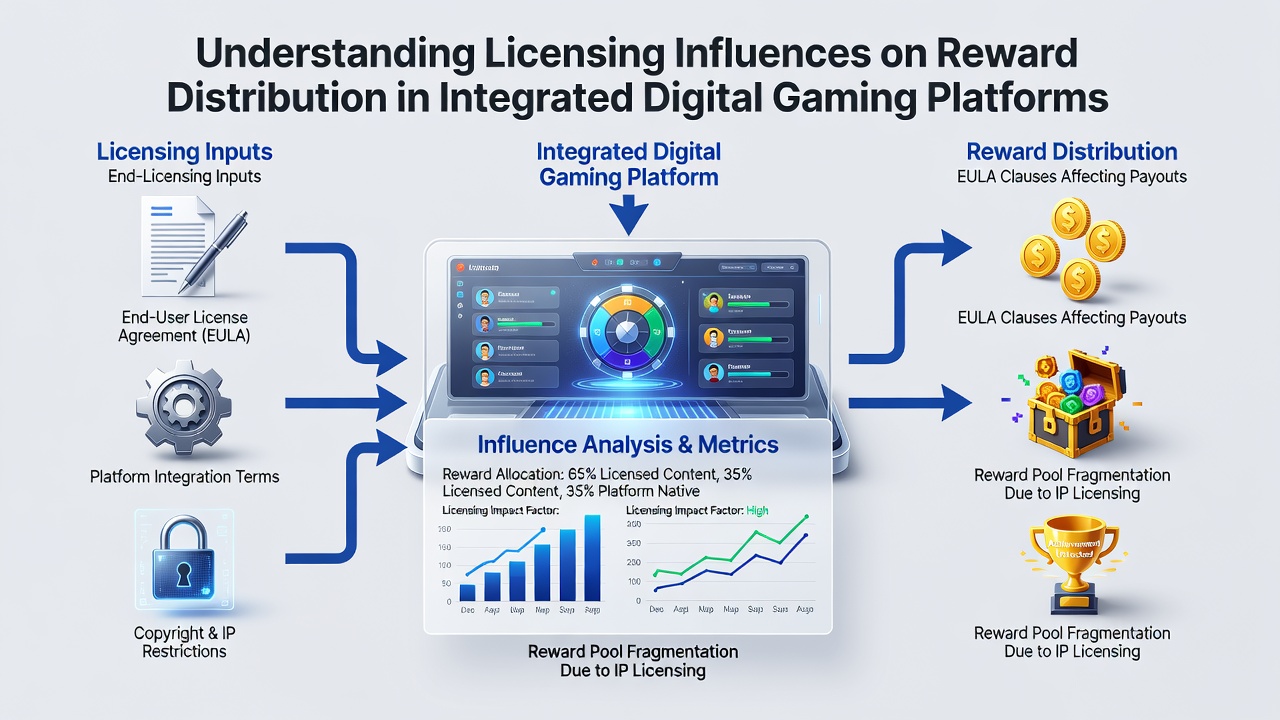
Certification requirements further influence how rewards reach players because testing laboratories verify that random number generators and live dealer feeds align with the license terms before any promotional credits activate. Platforms must therefore route rewards through verified pathways that satisfy both technical standards and financial reporting obligations, which adds processing steps visible to users as delayed credit availability in certain game modes. Observers note that these verification layers become especially pronounced when platforms expand into new markets, since each additional license introduces fresh constraints on how initial deposit matches convert into playable credits across reel and table formats.
Compliance Mechanisms and Platform Adaptations
Integrated systems respond to licensing pressure by building modular reward engines that apply jurisdiction-specific filters at the account level, allowing operators to toggle bonus availability based on player location and license coverage. This approach prevents violations while maintaining seamless navigation between game types, though it requires continuous updates whenever regulatory bodies revise their distribution rules. In July 2026 several platforms completed audits showing that license-driven filters reduced unauthorized reward transfers by measurable margins, confirming the effectiveness of these technical adaptations without altering core gameplay mechanics.
Payment method integration also falls under licensing scrutiny because certain jurisdictions mandate that reward redemptions follow the same funding channels used for deposits, which affects how quickly players access winnings from blended sessions. Platforms therefore align their transaction ledgers with license conditions to avoid discrepancies during compliance reviews, and this alignment shapes the timing of reward releases across slot sequences and live dealer rounds. Research from academic studies on digital gaming ecosystems highlights that platforms adhering to multi-jurisdictional payment rules experience fewer account holds related to reward disputes.
Conclusion
Licensing regimes continue to dictate the precise mechanics of reward distribution in integrated digital gaming platforms, from initial credit issuance through final redemption across varied game formats. Operators maintain compliance by embedding regulatory parameters directly into platform code, which produces consistent allocation patterns that reflect the originating license conditions. As new markets open and existing frameworks evolve, these influences remain central to how platforms structure player incentives and manage cross-game reward flows.