Tracing Synchronization Between Layered Reward Mechanisms and Volatility Adjustments Across Portable Reel Sequences and Dealer Interfaces
Written by Casey Hoffmann · Jul 21, 2026
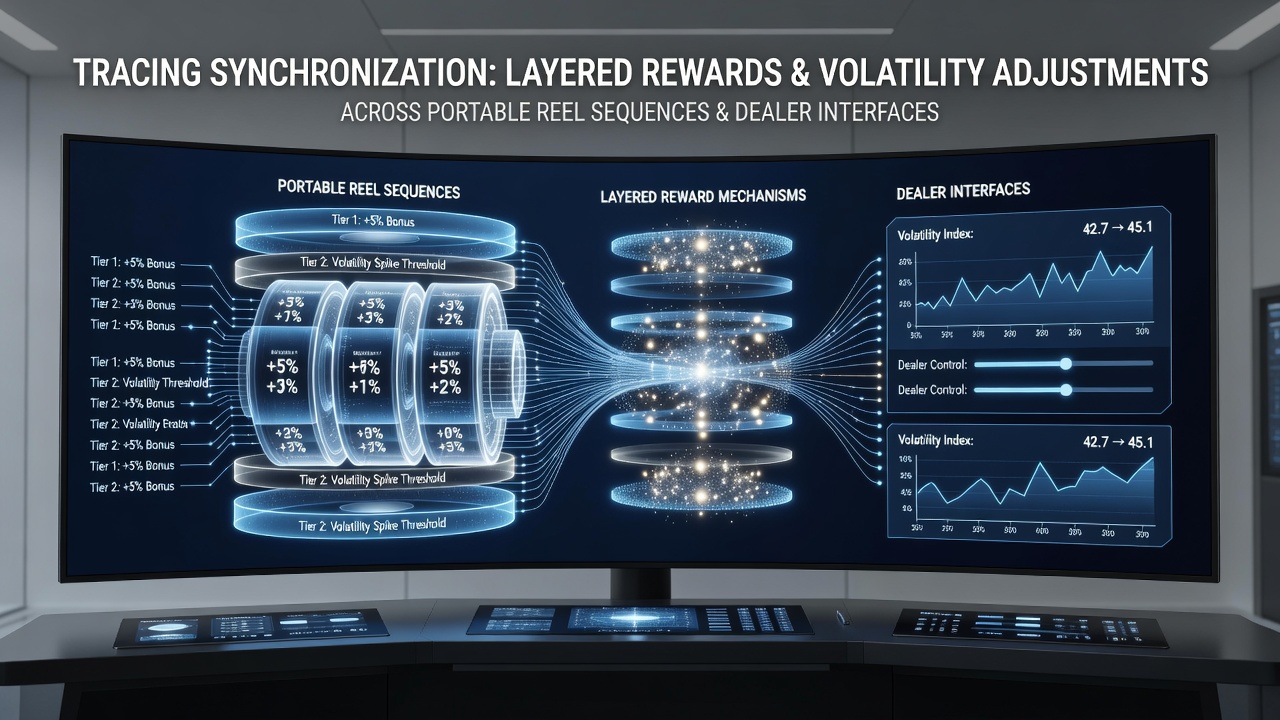
Tracing Synchronization Between Layered Reward Mechanisms and Volatility Adjustments Across Portable Reel Sequences and Dealer Interfaces
Portable reel sequences and dealer interfaces operate through coordinated systems where reward layers align with volatility parameters to maintain consistent player engagement across devices. Data from industry monitoring shows that these alignments occur through backend protocols that adjust bonus multipliers while reel variance shifts in real time, and this coordination extends to live table formats where dealer outcomes interact with accumulated credits.
Layered reward mechanisms typically include sign-up incentives, ongoing loyalty tiers, and session-based multipliers that stack sequentially. Researchers at gaming technology firms have documented how these layers feed into volatility engines that modify hit frequencies and payout distributions on mobile slots, while similar adjustments appear in dealer interfaces through dynamic table limits and side bet options. In July 2026 several certification updates emphasized the need for synchronized tracking to prevent mismatches between reward availability and game volatility settings.
How Reward Layers Connect to Volatility Controls
Systems track player activity across multiple reward tiers and apply volatility adjustments based on accumulated data points such as session length and wager patterns. One platform analysis revealed that when a user progresses from basic sign-up bonuses to higher loyalty levels, the associated reel sequences often receive calibrated volatility reductions that favor more frequent smaller returns, and this pattern carries over to dealer interfaces where table minimums adjust to match the reward tier in use.
Technical documentation from equipment providers indicates that application programming interfaces handle the data exchange between reward databases and game servers. These connections allow volatility parameters to respond to reward redemptions without requiring separate player input, and observers note that the process maintains regulatory compliance across jurisdictions that require verifiable randomness in both reel and table outcomes.
Portable Reel Sequences and Their Synchronization Points
Mobile reel sequences rely on server-side calculations that incorporate current reward status when determining symbol distributions and bonus trigger rates. Studies conducted by independent testing laboratories have shown that volatility adjustments occur at specific synchronization checkpoints, typically when a new reward layer activates or when a session milestone is reached. This approach ensures that portable play maintains continuity even when users switch between different game titles within the same ecosystem.
Engineers have identified several key data fields that pass between reward modules and reel engines, including current multiplier values, remaining bonus rounds, and historical volatility settings from prior sessions. These fields update continuously so that reel behavior reflects the active reward profile, and the same data streams support dealer interfaces by adjusting card distribution probabilities or chip denominations in live environments.

Dealer Interface Adjustments in Unified Platforms
Live dealer interfaces integrate with the same reward and volatility frameworks used by reel sequences through shared account management systems. According to reports published by the American Gaming Association, platforms that combine mobile slots with live tables demonstrate measurable improvements in session retention when volatility parameters stay aligned with active reward layers. The synchronization occurs through timestamped event logs that record both reward redemptions and game outcome adjustments.
Operators implement these alignments by mapping reward tiers to specific volatility profiles that apply across game categories. For instance, a mid-tier loyalty reward might trigger a moderate volatility setting on reels while simultaneously lowering table rake percentages in dealer sessions, and this mapping updates automatically when players move between portable and desktop access points.
Regulatory and Technical Considerations in July 2026
July 2026 brought renewed focus on certification requirements for synchronized reward and volatility systems, particularly in markets that license both online slots and live dealer products. Regulatory bodies in several regions, including those overseen by the Nevada Gaming Control Board, began requiring detailed audit trails that document every adjustment made to volatility settings in response to reward activity. These requirements aim to ensure transparency without restricting the technical methods operators use to achieve synchronization.
Industry groups such as the Gambling Research Exchange Ontario have compiled data showing that platforms with effective synchronization report fewer player disputes related to unexpected changes in game behavior. The findings highlight the importance of maintaining consistent data flows between reward engines and game servers, especially when portable devices introduce additional variables such as network latency and session interruptions.
Conclusion
The synchronization of layered reward mechanisms with volatility adjustments across portable reel sequences and dealer interfaces relies on integrated data protocols that update in real time. Evidence from certification processes and platform monitoring indicates that these alignments support consistent gameplay while meeting regulatory standards in multiple jurisdictions. Continued development of these systems will likely center on improving audit capabilities and expanding compatibility between mobile and live dealer environments.