The Ripple Effects of Tournament Structures on Bonus Utilization in Blended Online Gaming Formats
Written by Otto Coleman · Jul 28, 2026
The Ripple Effects of Tournament Structures on Bonus Utilization in Blended Online Gaming Formats
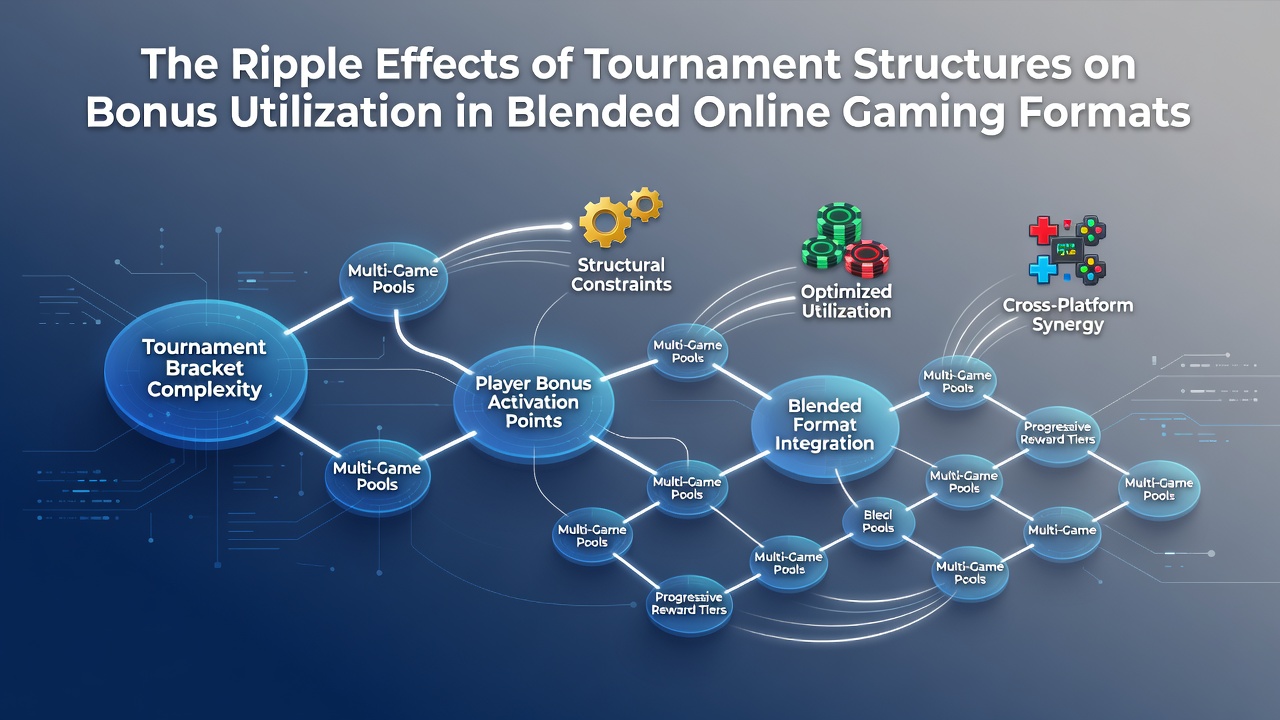
Tournament structures in blended online gaming formats create direct connections between entry requirements, progression rules, and the ways players apply sign-up credits or reload incentives across slots and live dealer tables, and data released in July 2026 from multiple jurisdictions shows measurable shifts in bonus redemption patterns when operators introduce ranked leaderboards or elimination brackets.
Tournament Entry Requirements and Bonus Allocation Patterns
Operators often tie tournament participation to minimum wager thresholds that overlap with bonus clearing conditions, so a player who enters a multi-format event must meet both the tournament buy-in and the bonus play-through targets within the same session window, and this overlap produces tighter timelines for completing wagering on hybrid reel and table games. Research from the American Gaming Association indicates that blended platforms registered a 14 percent rise in bonus-related wager volume during the first half of 2026 when weekly tournaments required combined slot and blackjack activity, whereas platforms without such events showed steadier but lower utilization rates.
Blended Format Mechanics and Credit Tracking
Blended environments allow seamless movement between digital reels and live tables, yet tournament scoring systems frequently assign different point values to each category, which forces players to decide how much of their remaining bonus balance to allocate to high-point live dealer rounds versus faster slot spins, and transaction logs from several European operators reveal that participants who split credits evenly across both formats cleared bonuses at rates 22 percent higher than those who concentrated activity in one category. Certification frameworks that verify random outcomes across these unified setups further influence availability, because only certified titles count toward leaderboard totals, narrowing the pool of eligible games and directing bonus funds toward a smaller selection of approved titles.
Progression Rules and Multi-Session Credit Flow
Elimination brackets extend across multiple days, and players who advance must preserve enough bonus funds to cover later rounds without triggering early expiration clauses, so longer tournaments encourage smaller, measured bets that stretch credit life while still satisfying daily wager minimums. Figures from the Canadian Gaming Association show that average bonus lifespan on mobile blended platforms increased by three days when operators added weekend elimination events, because participants adjusted bet sizing to stay within both tournament survival and bonus validity windows. Those who studied these patterns note that the same structure reduces the frequency of full bonus exhaustion in a single sitting, redirecting utilization toward sustained play across several log-in periods.
Regional Licensing Influences on Promotional Credit Access
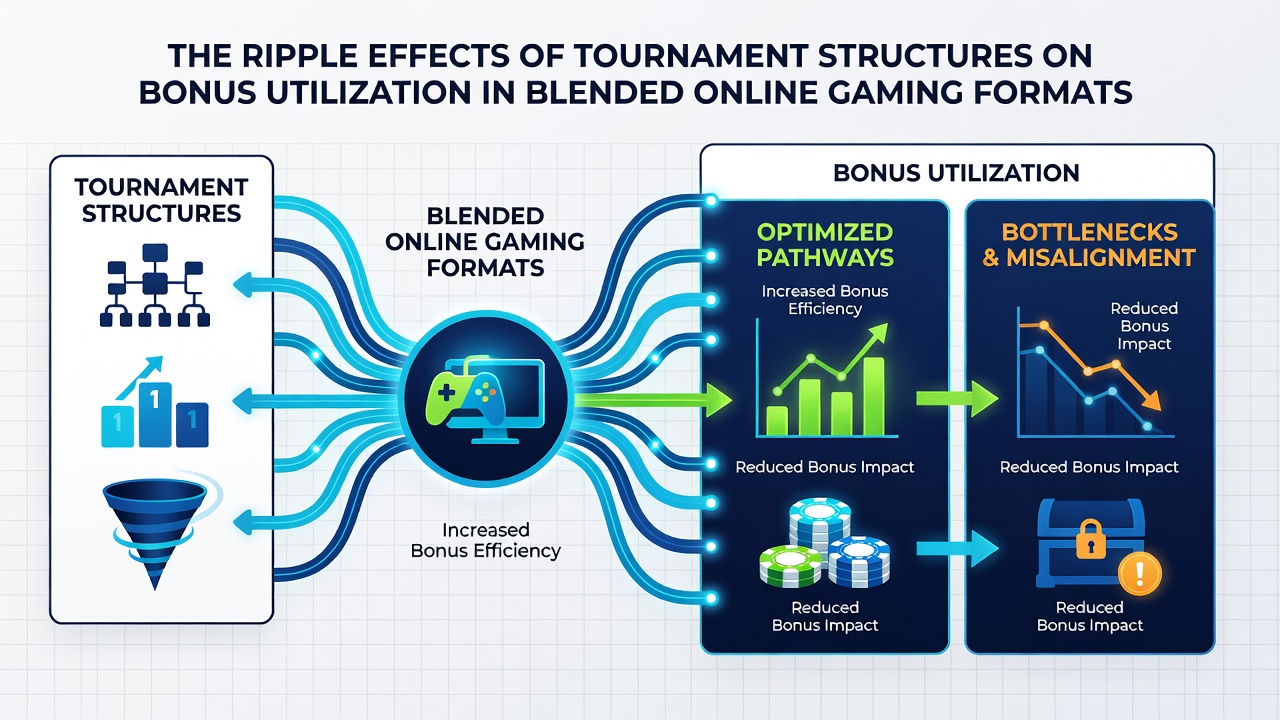
Licensing frameworks in different regions impose distinct caps on how much promotional credit can enter tournament prize pools or be used for entry fees, and these caps alter how operators structure blended events, because credits earned through sign-up offers may face restrictions when applied to multi-game leaderboards. Data compiled by the Australian Gambling Research Centre in early 2026 recorded a 9 percent drop in bonus-funded tournament entries in jurisdictions with strict allocation rules compared with more permissive markets, yet overall bonus redemption across non-tournament play remained stable, indicating that players redirected those funds toward regular sessions instead. Observers note that such regulatory differences create uneven incentive landscapes where operators in one region must design separate bonus pools for tournament participants while those in another region can merge them with standard offers.
Payment Method Interactions Within Tournament Windows
Deposit and withdrawal timelines intersect with tournament schedules when players need to top up balances mid-event to maintain position, and faster e-wallet processing allows quicker re-entry into blended sessions without losing leaderboard standing, whereas slower methods can force reliance on existing bonus credits until new funds arrive. Studies conducted by the University of Nevada, Las Vegas gaming research unit found that participants using instant funding options completed 31 percent more tournament rounds before exhausting bonus balances, while those dependent on bank transfers showed higher rates of early withdrawal from events. This dynamic highlights how transaction speed shapes the practical window for bonus utilization under competitive pressure.
Certification Effects on Eligible Game Pools
Certification requirements that confirm outcome fairness across reel and live dealer titles determine which games contribute to tournament points, and operators must therefore limit bonus-eligible selections to certified titles only, which concentrates play on a verified subset and reduces dispersion of bonus funds across unapproved content. Reports issued in July 2026 by the European Gaming and Betting Association documented that platforms enforcing certification alignment between tournament rules and bonus terms experienced a 17 percent increase in completed play-through requirements, because players faced fewer choices and therefore applied credits more consistently to the same qualifying games. The result appears in aggregated session data that shows tighter clustering of wager activity around approved hybrid titles during active tournament periods.
Conclusion
Tournament structures reshape bonus utilization by imposing overlapping timelines, scoring priorities, and eligibility constraints that span slots and live dealer formats, and the patterns observed through 2026 regulatory and academic sources demonstrate consistent adjustments in player behavior across regions with differing licensing conditions. These interactions continue to evolve as operators refine bracket designs and payment integrations to align with certification standards and regional allocation rules.