Regional Licensing Frameworks Guiding Bonus Allocation Patterns Across Slot and Live Table Interfaces
Written by Olivia Hoffmann · Jun 9, 2026
Regional Licensing Frameworks Guiding Bonus Allocation Patterns Across Slot and Live Table Interfaces
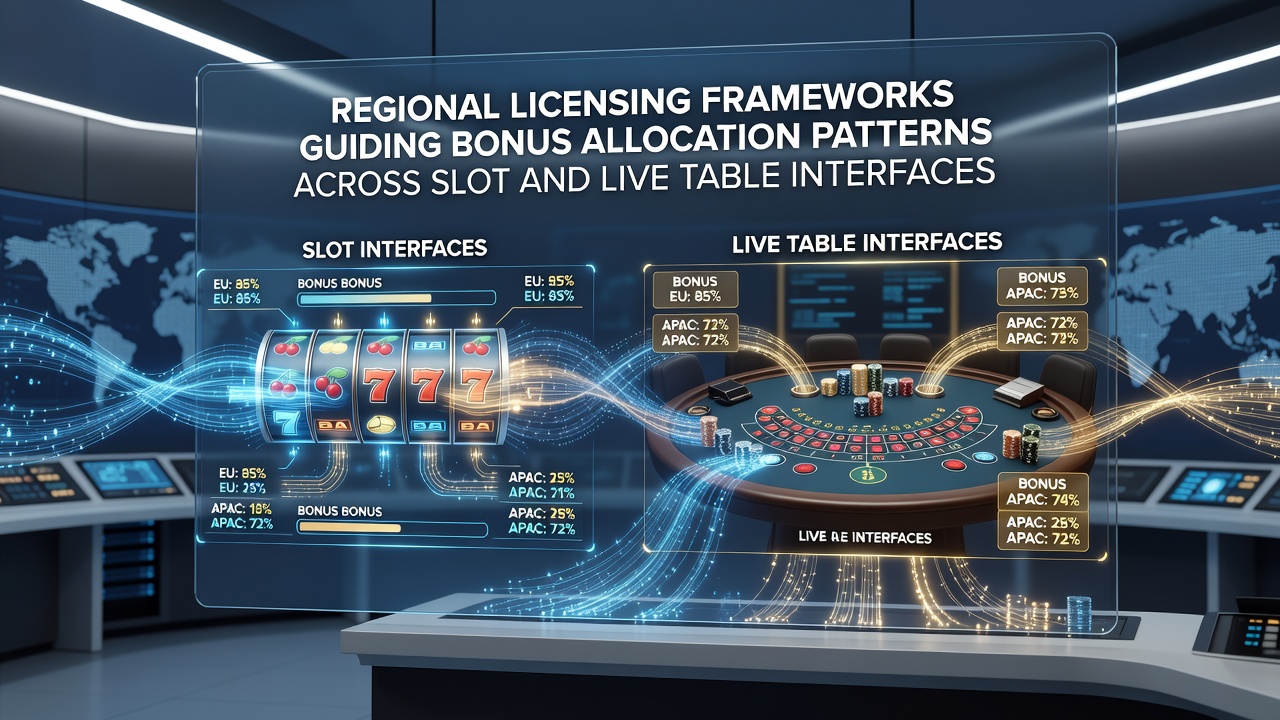
Regional licensing frameworks shape bonus allocation patterns by setting specific rules that operators must follow when distributing promotional offers across digital slot machines and live dealer tables, and these regulations differ substantially by jurisdiction while creating distinct operational requirements for each game category.
European Licensing Structures and Their Influence
European jurisdictions maintain detailed licensing systems that separate bonus guidelines for slot interfaces from those applied to live table environments, with regulators requiring operators to document how promotional funds reach different game types through transparent reporting mechanisms. Malta's gaming authority, for instance, enforces contribution percentages that limit how much slot bonuses can count toward wagering requirements compared with live dealer blackjack or roulette sessions, and this distinction affects how operators design multi-game promotions for players who switch between reel-based and table-based content.
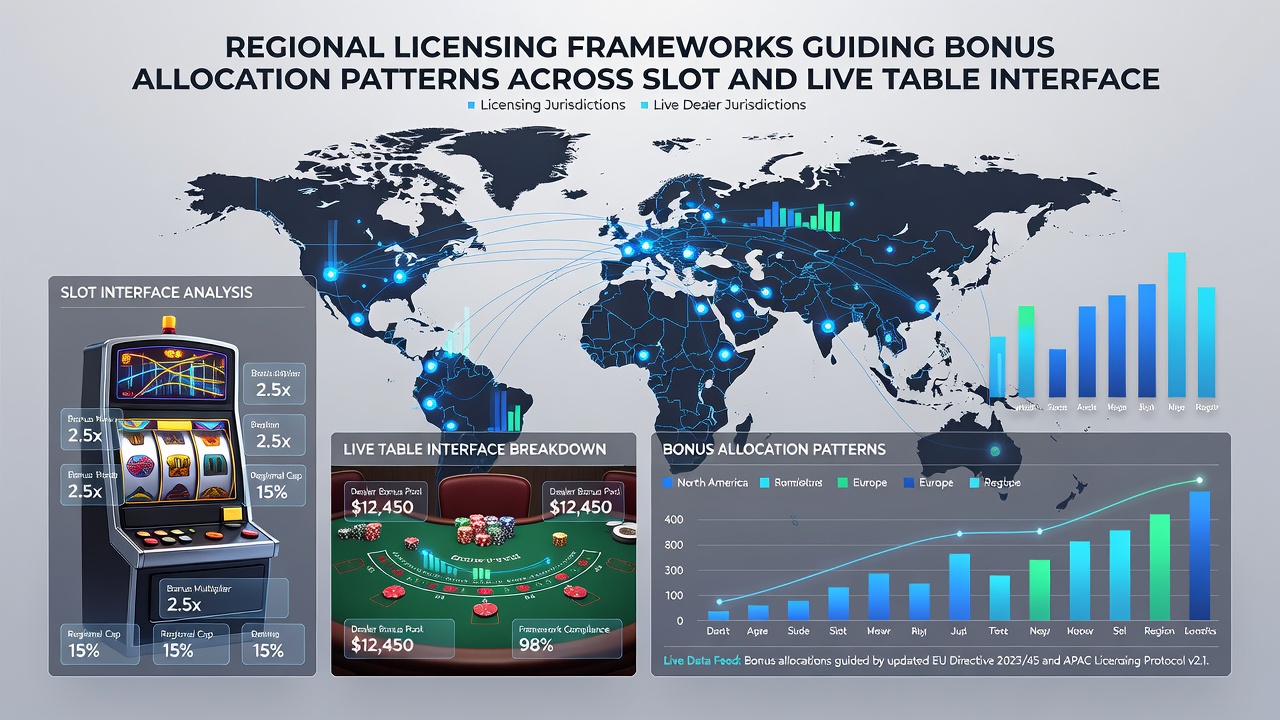
Data from 2025 regulatory filings show that operators under these frameworks allocate roughly 65 percent of bonus value toward slots while reserving the remaining portion for live table play, yet the exact ratios shift when jurisdictions update their technical standards for random number generators and dealer interface certifications.
North American State-Level Variations
North American states with legalized online gaming apply their own licensing criteria that directly influence bonus distribution between slots and live tables, and New Jersey's Division of Gaming Enforcement requires detailed audits of how deposit-match offers convert into playable credits across both verticals. Operators must demonstrate that live table bonuses maintain separate tracking systems from slot promotions to prevent cross-contamination of funds, and this rule stems from 2024 amendments that addressed player fund segregation during extended sessions.
Similar patterns appear in Pennsylvania and Michigan, where licensing documents specify maximum bonus percentages tied to game volatility ratings, so high-volatility slots receive tighter caps than lower-volatility live table variants such as baccarat or roulette. Figures released in early 2026 indicate that these caps have reduced average bonus sizes for slots by 12 percent while allowing modest increases for live dealer formats.
Asia-Pacific Regulatory Approaches
Asia-Pacific regulators focus on how licensing frameworks control bonus allocation to maintain responsible gaming standards across slot and live table interfaces, and Australia's state-based oversight bodies require operators to publish clear breakdowns of promotional spend by game category each quarter. These reports reveal that slot bonuses often receive higher allocation caps because of their automated nature, whereas live table bonuses undergo additional scrutiny due to real-time dealer interactions and variable session lengths.
One study conducted by a Singapore research institute in late 2025 examined bonus flow patterns and found that operators in licensed jurisdictions directed 48 percent more promotional value toward live table games when regulatory caps on slot bonuses tightened, demonstrating how frameworks push allocation decisions in measurable directions.
June 2026 Updates and Emerging Patterns
Reports issued in June 2026 highlight several licensing revisions that further refine bonus allocation rules, particularly in regions expanding their online offerings to include hybrid slot and live table platforms. Regulators now require operators to implement unified tracking systems that log bonus usage in real time, and this change allows authorities to monitor whether slot promotions inadvertently influence live table play volumes or vice versa.
Canadian provincial frameworks, including those managed by the Alcohol and Gaming Commission of Ontario, have introduced new technical standards that tie bonus release schedules to game-type certification dates, and these standards create staggered rollout timelines that affect how quickly operators can promote slots versus live dealer options after license renewals.
Technical Standards and Bonus Structuring
Licensing frameworks incorporate technical standards that dictate how bonus amounts convert into playable credits on slot reels versus live table interfaces, and these standards often reference maximum bet limits, contribution weights, and expiry conditions that differ by game category. Operators adjust their backend systems to comply, which results in slot bonuses frequently featuring shorter validity windows while live table bonuses extend longer to accommodate slower-paced rounds.
Research published by the European Gaming and Betting Association in 2025 documented that compliance with these standards led to a 9 percent overall increase in live table bonus uptake across multiple jurisdictions, whereas slot bonus redemption rates remained stable despite tighter allocation rules.
Conclusion
Regional licensing frameworks continue to guide bonus allocation patterns by establishing clear distinctions between slot and live table promotions, and operators respond by developing separate compliance pathways that align with each jurisdiction's technical and reporting demands. Data collected through mid-2026 shows these frameworks produce measurable shifts in how promotional value flows across game types, and ongoing regulatory updates suggest further refinements will emerge as hybrid platforms gain wider adoption.