Player Progression Routes Connecting Initial Credits to Blended Reel Sequences and Dealer Table Sessions via Verified Transaction Channels
Written by Olivia Hoffmann · Jul 14, 2026
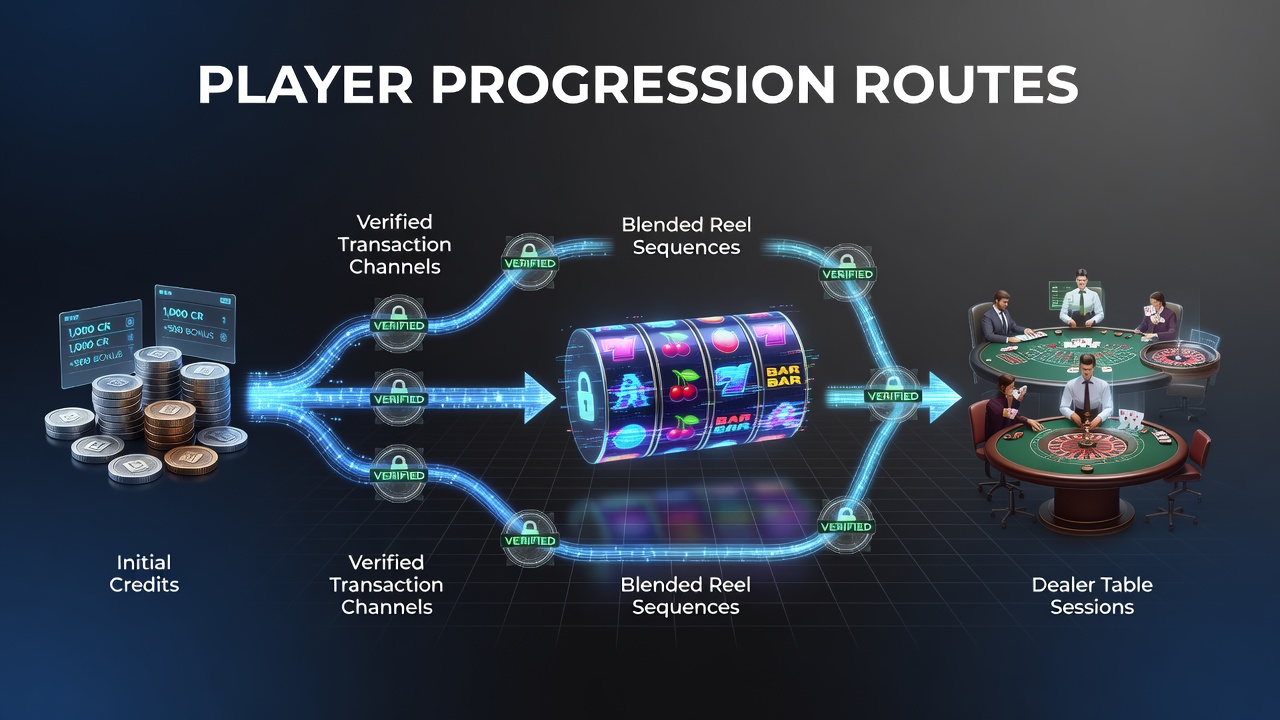
Player Progression Routes Connecting Initial Credits to Blended Reel Sequences and Dealer Table Sessions via Verified Transaction Channels
Player accounts begin with verified deposits that establish initial credits across digital platforms, and these funds move through secure channels before reaching combined reel and table environments. Data from regulatory filings shows transaction verification typically completes within seconds when using approved payment processors, allowing seamless entry into gameplay sessions that blend automated reel mechanics with live dealer interactions. Observers note the process relies on standardized protocols that confirm identity and funding source before any credits activate.
Initial Credit Establishment Through Transaction Verification
Verified channels handle the first step by routing deposits from banking institutions or digital wallets directly into player ledgers, and systems flag any discrepancies immediately to maintain compliance. Research indicates that platforms using multi-factor authentication reduce processing errors by measurable margins compared to single-step methods, while figures from industry reports reveal average deposit times hover around 30 seconds during peak hours. Those who've studied these pathways find the verification layer prevents unauthorized access yet preserves the speed needed for uninterrupted play.
Once credits appear, players select between reel-based titles and table formats without leaving the same interface, and the system tracks balances across both categories in real time. This unified ledger approach eliminates separate funding steps, so one verified deposit supports extended sessions that alternate between spinning reels and joining dealer tables. Experts have observed this integration streamlines the experience while meeting jurisdictional requirements for fund segregation.
Transition Pathways From Credits to Reel Sequences
Reel sequences activate when players allocate portions of verified credits to slot titles, and algorithms determine outcome distribution according to certified random number generators. Studies show that platforms offering progressive jackpots often see higher allocation rates from initial deposits, particularly when bonus multipliers tie directly to the same transaction record. The transition remains fluid because the same credit pool feeds both automated spins and live table wagers, allowing players to shift mid-session without additional verification.
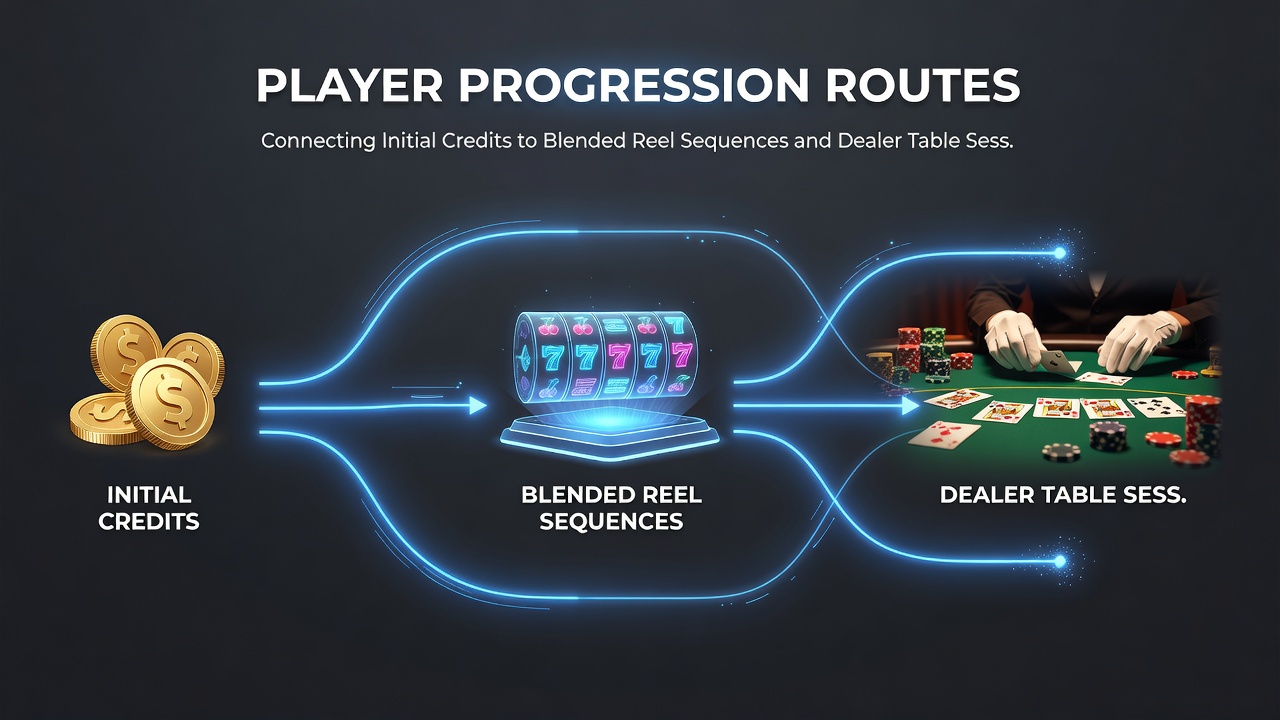
Blended formats combine these elements by presenting reel results alongside dealer video feeds, and transaction logs record every allocation to ensure audit trails remain intact. Data indicates that July 2026 saw increased adoption of such hybrid interfaces in regulated markets, driven by updates to payment gateway standards that support instant balance refreshes. People who've examined usage patterns note that players frequently move small credit amounts between reel and table options within single sessions rather than committing larger sums upfront.
Integration With Dealer Table Sessions
Dealer table sessions draw from the same verified credit pool, and live streams synchronize with reel outcomes to create continuous play loops. Regulatory frameworks in multiple regions require that table minimums and maximums display clearly before any wager processes, which platforms achieve through real-time balance checks tied to the original deposit. Observers note that this setup supports extended sessions where players rotate between card tables and reel games without exiting the application.
Payment method choice influences session length because certain e-wallet options settle faster than traditional bank transfers, and reports from the Pennsylvania Gaming Control Board document shorter average play windows when funding delays occur. Yet platforms that integrate instant verification maintain consistent progression rates across both game types. Those monitoring player behavior find that verified channels reduce interruptions, allowing credits to flow directly into dealer interactions or reel spins as needed.
Regulatory and Certification Influences on Progression
Certification bodies evaluate the security of transaction channels before approving platform operations, and this oversight shapes how initial credits convert into blended gameplay. Figures from the Australian Communications and Media Authority indicate rising numbers of certified hybrid platforms in 2026, with emphasis on transparent fund tracking between reel and table segments. The process ensures that every credit movement remains traceable from deposit through final cash-out.
Players encounter progression milestones when accumulated play across reels and tables unlocks additional features, and these rewards draw from the same verified balance. Research from academic papers on digital gaming systems highlights that integrated ledgers improve compliance reporting accuracy compared to siloed account structures. What's significant is the way verification timestamps create clear records that regulators can audit without disrupting user flow.
Conclusion
Player progression from initial verified credits through blended reel sequences and dealer tables depends on secure, integrated transaction channels that maintain balance continuity across formats. Evidence from multiple jurisdictions demonstrates that standardized verification supports both speed and compliance, enabling sessions that alternate between automated and live elements without repeated funding steps. Data continues to track how these routes evolve as platforms adopt updated gateways and certification standards.