Network Performance Metrics and Their Correlation with Player Behavior in Smartphone Casino Applications
Written by Casey Hoffmann · Aug 8, 2026
Network Performance Metrics and Their Correlation with Player Behavior in Smartphone Casino Applications
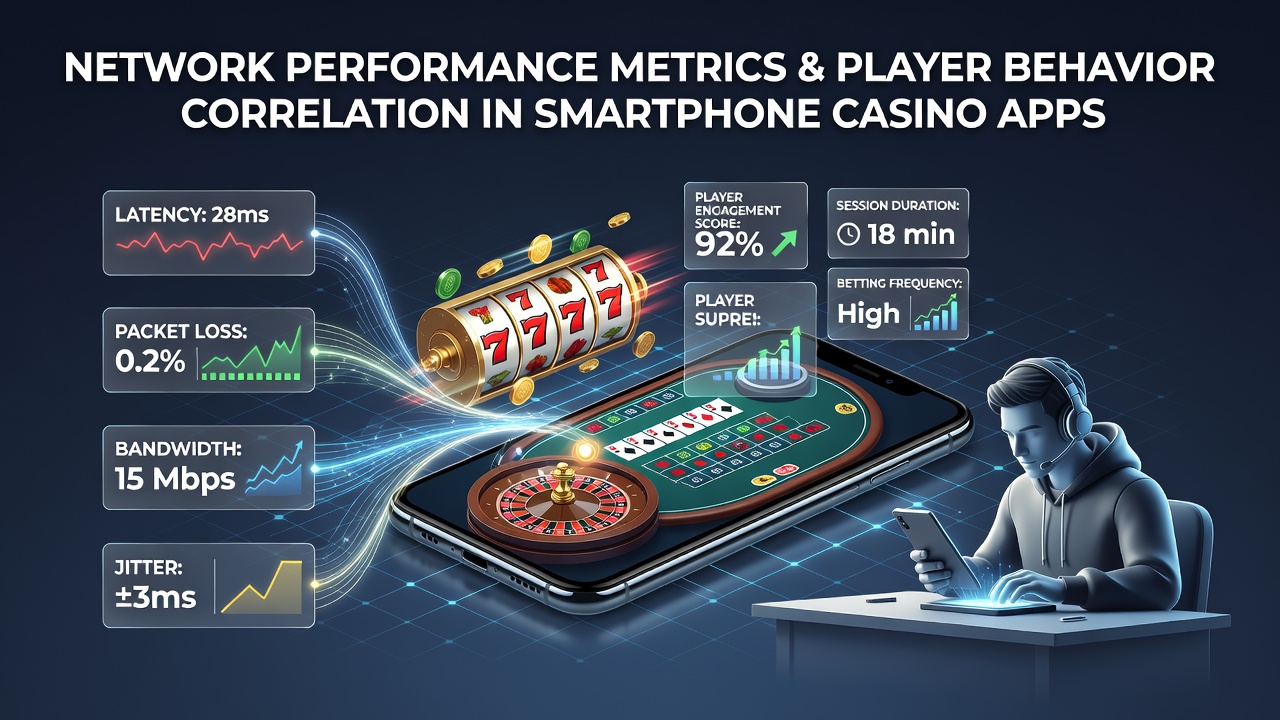
Network performance metrics such as latency, packet loss, jitter, and throughput shape how players interact with smartphone casino applications in measurable ways. Data collected across multiple markets in 2025 and into August 2026 shows direct links between connection quality and session patterns, bet sizing, and retention rates. Observers note that these correlations emerge consistently when operators track both technical logs and user activity simultaneously.
Key Network Metrics in Mobile Casino Environments
Latency measures the round-trip time for data packets traveling between a device and game servers, while packet loss tracks the percentage of data that fails to arrive. Jitter reflects variations in packet arrival intervals, and throughput indicates the volume of data transferred per second. Researchers tracking these variables in real-world conditions have found that casino applications demand stable connections because even brief disruptions interrupt live dealer streams or slot reel spins. Studies compiled by the Australian Communications and Media Authority highlight how 5G rollout has reduced average latency in urban areas yet left rural regions with higher variability during peak hours.
Player Behavior Indicators Captured in App Analytics
Operators record session length, frequency of deposits, average bet amounts, game switching rates, and churn signals such as sudden exits. These behavioral metrics align closely with network conditions according to aggregated platform data. For instance, sessions initiated on connections with under 50 milliseconds latency tend to extend longer before users log off, whereas higher latency correlates with quicker abandonment. Evidence from industry reports indicates that packet loss above 1 percent often precedes reduced bet sizes as players shift toward lower-risk options or pause activity entirely.
Documented Correlations Between Connection Quality and Engagement
Analysis of millions of sessions reveals that throughput below 5 megabits per second frequently coincides with fewer game transitions and shorter overall play windows. Players on unstable connections show elevated rates of mid-session reloads, which can signal attempts to stabilize the experience. Data from a 2026 Canadian regulatory review of mobile gaming platforms demonstrates that regions with consistent 4G coverage experienced 18 percent higher average session durations compared with areas prone to signal fluctuations. Jitter exceeding 30 milliseconds has been linked to increased exits during live table games where timing affects decisions, whereas slot-only sessions prove somewhat more tolerant of minor variations.
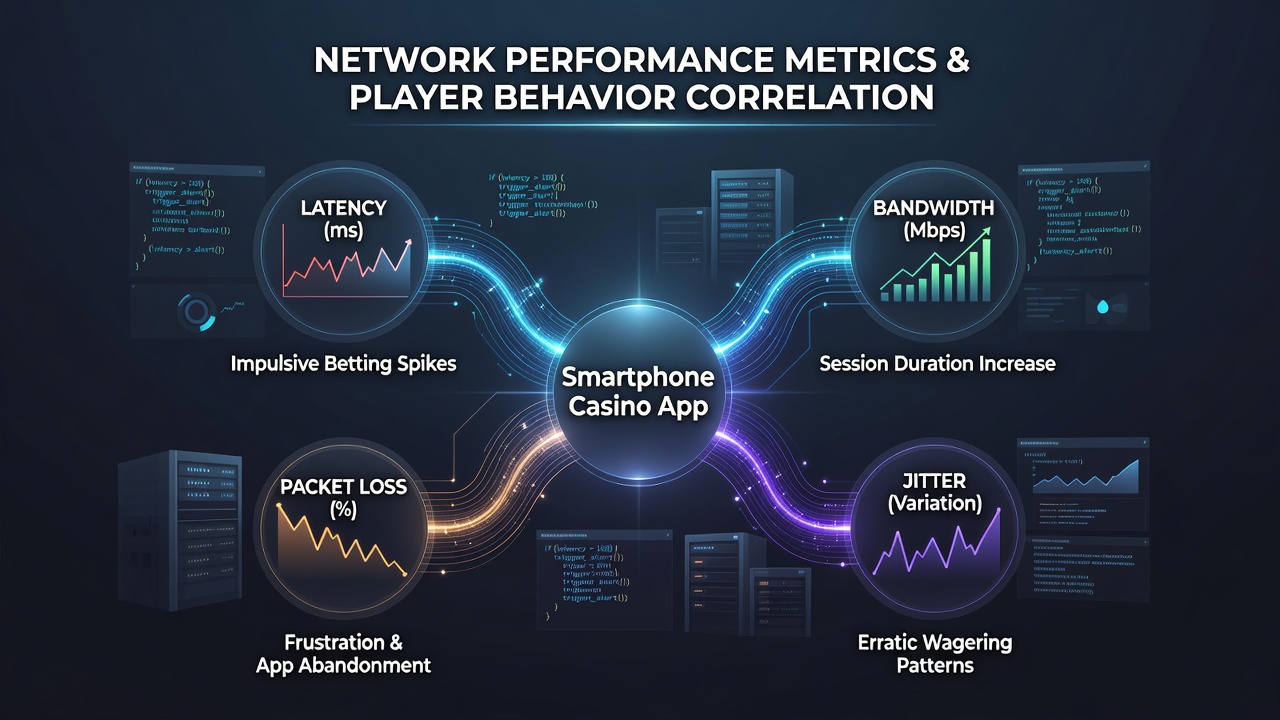
One study released in August 2026 examined European operators and found that a 10-millisecond latency increase correlated with a 7 percent rise in early session terminations across both reel and card-based titles. Throughput drops during evening hours also aligned with lower deposit volumes in the same dataset. These patterns hold after controlling for time of day and user demographics, suggesting network factors exert independent influence on behavior.
Regional and Device-Level Variations Observed in 2026
Geographic differences appear when comparing markets with varying infrastructure maturity. Markets with widespread fiber backhaul report steadier throughput and correspondingly steadier bet sizing throughout sessions. Device type further modulates outcomes because newer handsets handle jitter more effectively through improved buffering. Figures released by the Canadian Gaming Association in mid-2026 showed that users on premium smartphones maintained engagement levels even under moderate packet loss, while older devices exhibited sharper drops in activity under identical conditions. Regulatory bodies in Australia have begun requiring operators to log these technical parameters alongside behavioral data for compliance reviews.
Implications for Platform Optimization and Monitoring
Operators respond to these correlations by implementing adaptive bitrate streaming for live games and pre-loading assets during detected high-latency periods. Some platforms now display connection quality indicators or prompt users to switch networks when metrics cross thresholds known to affect play. Research institutions tracking these interventions report measurable stabilization in session lengths after such adjustments. The pattern indicates that proactive network-aware design can mitigate many of the behavioral shifts previously tied to poor connections.
Conclusion
Network performance metrics provide quantifiable predictors of how users behave inside smartphone casino applications. Latency, packet loss, jitter, and throughput each map onto session duration, betting patterns, and retention in ways documented across multiple regulatory and industry datasets through August 2026. As mobile infrastructure continues evolving, ongoing measurement of these technical variables alongside user activity remains essential for understanding engagement dynamics in this sector.