Investigating Synchronization Protocols Between Automated Systems and Human-Led Sessions in Unified Gaming Libraries Across Regions
Written by Olivia Hoffmann · Jul 7, 2026

Investigating Synchronization Protocols Between Automated Systems and Human-Led Sessions in Unified Gaming Libraries Across Regions
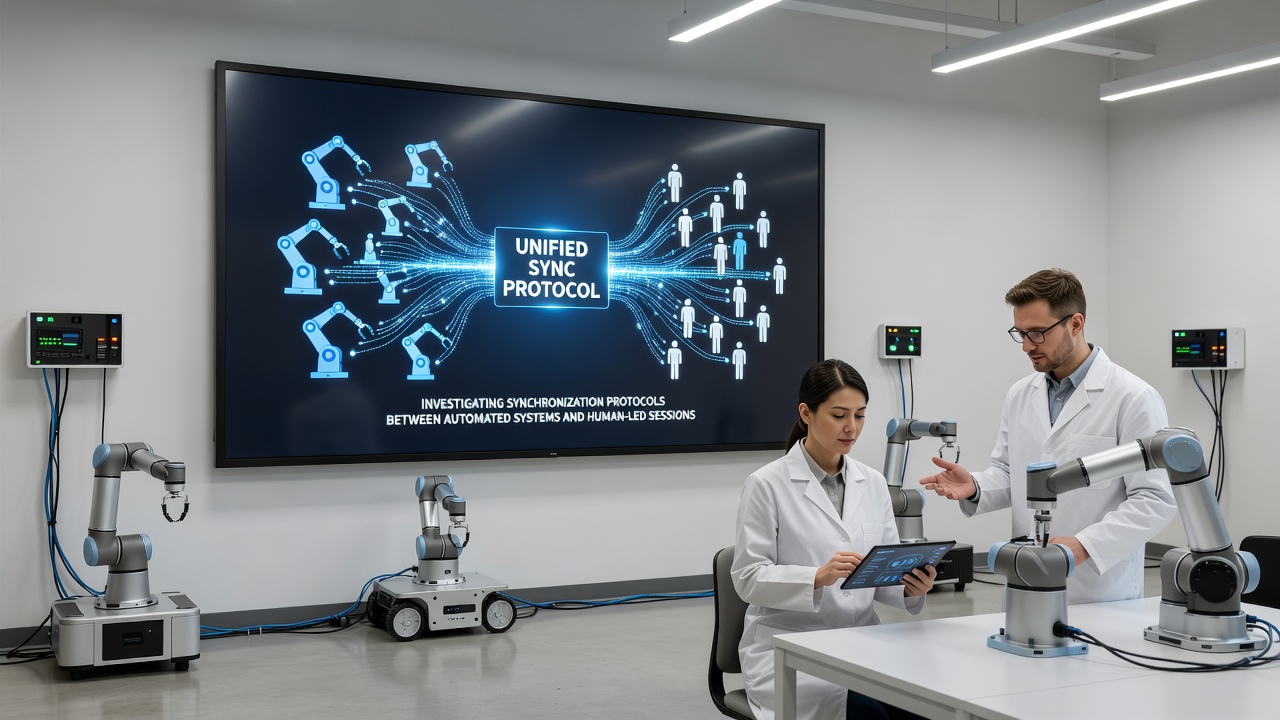
Unified gaming libraries combine automated reel mechanisms with human-led dealer interactions under single platform architectures, and synchronization protocols manage data exchanges that keep player sessions consistent when users switch between these formats. These protocols rely on application programming interfaces that transmit real-time status updates such as balance adjustments, bonus eligibility flags, and game state variables from automated random number generators to live dealer management systems.
Core Components of Synchronization Frameworks
Automated systems generate outcomes through certified algorithms while human-led sessions require continuous input from dealers who operate physical equipment or digital interfaces, and protocols bridge this gap by establishing shared data repositories that update across both environments without interrupting active play. Observers note that timestamp synchronization and sequence numbering prevent desynchronization events where a player's progress in one mode fails to reflect accurately in the other, and this process incorporates checksum validations to maintain integrity during high-volume transactions.
Regional operators implement these frameworks under varying technical standards, with North American platforms often prioritizing low-latency connections suited to high-speed slot sequences while European systems emphasize audit trails that align with multi-jurisdictional reporting requirements. Data indicates that libraries operating across borders must accommodate differences in currency handling, time zone offsets, and regulatory data retention periods that affect how session logs merge between automated and human-led components.
Regional Variations in Protocol Deployment
Platforms in the United States coordinate through state-specific oversight bodies where synchronization must satisfy individual gaming control requirements, whereas Asian markets such as those regulated by Singapore authorities apply centralized technical specifications that dictate exact message formats for cross-mode transitions. Australian frameworks add further layers by requiring protocols to interface with responsible gaming tools that monitor session duration across both automated and live formats simultaneously.
In July 2026 several multi-regional operators reported expanded testing of unified protocols that incorporate adaptive buffering to handle network variability between automated backend servers and dealer terminal connections. These tests focused on maintaining continuous play when users moved from reel-based games to card table environments without resetting accumulated loyalty metrics or promotional credits.
Technical Challenges and Mitigation Strategies
Latency remains a primary concern because automated sessions process outcomes in milliseconds while human-led interactions introduce variable response times from dealer actions, and protocols address this through predictive queuing mechanisms that pre-stage data packets ahead of expected transitions. Researchers have documented cases where mismatched encryption standards between regional data centers caused temporary session drops, prompting adoption of standardized key exchange procedures that operate independently of local regulatory variations.
Interoperability testing occurs at regular intervals under guidelines from organizations such as the American Gaming Association, which publishes technical reference materials on session continuity. Additional validation comes from academic examinations conducted at institutions studying digital entertainment systems, where controlled simulations measure protocol resilience under simulated regional network partitions.
Regulatory Alignment Across Jurisdictions
Compliance requires that synchronization logs remain accessible to authorities in each operating region, and protocols embed region-specific metadata tags that allow selective extraction of records without exposing unrelated player activity. European operators align these capabilities with data protection directives that govern how session information crosses borders, while North American standards focus more on outcome verification and financial reconciliation accuracy.
Industry reports compiled through the Nevada Gaming Control Board illustrate how protocol updates in 2026 addressed edge cases involving simultaneous multi-device access where automated and human-led sessions ran concurrently on separate hardware. These updates introduced conflict resolution rules that prioritize the most recent authenticated action across both system types.
Implementation Examples from Operating Markets
One documented deployment involved a platform serving both East Asian and North American users where automated bonus rounds triggered human-led feature activations, requiring protocols to translate reel outcome codes into dealer instruction sets within defined time windows. Another instance in Australian-regulated environments showed integration of geolocation checks that pause synchronization when players cross jurisdictional boundaries until re-verification completes.
These examples demonstrate how protocol design accommodates differences in game pacing, with reel sequences demanding rapid state updates and dealer sessions requiring confirmation steps before advancing shared elements like progressive jackpot contributions.
Conclusion
Synchronization protocols continue to evolve as unified gaming libraries expand across additional regions, and ongoing refinements focus on reducing transition friction while preserving compliance with diverse regulatory expectations. Continued monitoring of performance metrics from operators in multiple markets provides the data needed to refine these systems for broader deployment in coming periods.