From Deposit Pathways to Reel and Table Synergies: Tracing Funding Channels in Bonus-Driven Slot and Roulette Ecosystems
Written by Casey Hoffmann · May 30, 2026

From Deposit Pathways to Reel and Table Synergies: Tracing Funding Channels in Bonus-Driven Slot and Roulette Ecosystems
Tracing Initial Funding Routes in Digital Gaming Platforms
Data from regulatory filings show that players typically initiate engagement through a range of electronic payment channels that feed directly into bonus structures designed for both slot machines and roulette variants, while these pathways often determine how quickly funds convert into playable credits across different game formats. Payment processors handle the initial transfer, yet the subsequent allocation to bonus pools creates layered incentives that encourage continued interaction between reel-based and table-based offerings.
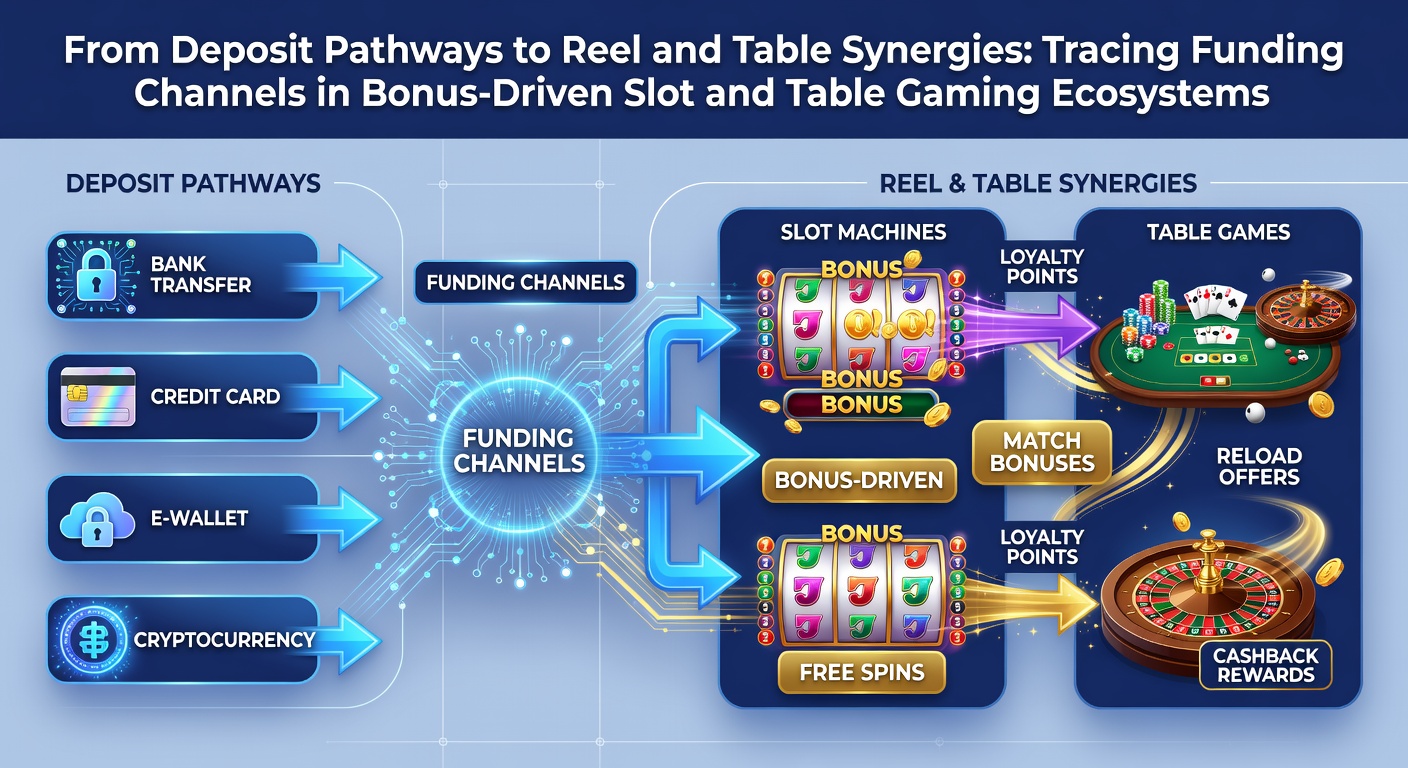
Bank transfers and digital wallets serve as primary conduits in many jurisdictions, and they integrate with verification systems that confirm player eligibility before bonuses activate on either slots or roulette, whereas credit card options frequently pair with instant deposit bonuses that apply uniformly across game categories. Observers note that these entry points establish the foundation for later synergies, since a single deposit can unlock rewards usable on both mechanical reel sequences and live dealer table spins.
Bonus Structures Linking Reel Mechanics to Roulette Dynamics
Bonus designs in current platforms commonly allocate free spins or matched credits that transition seamlessly between slot reels and roulette tables, creating operational connections where a deposit made for one category influences available funds in the other. Studies of platform architecture reveal that wagering requirements attached to these bonuses often calculate contributions from both reel outcomes and table results, which encourages players to move between formats without separate funding steps.
Figures released in May 2026 by industry monitoring groups indicate that platforms offering unified bonus wallets report higher cross-format activity, since players who start with slot deposits frequently apply remaining credits to roulette sessions once reel features conclude. This integration relies on backend systems that track funding origins and apply multipliers consistently, regardless of whether the action occurs on digital reels or physical table layouts.
Payment Channel Interactions Across Game Types
Electronic payment methods such as prepaid cards and cryptocurrency transfers demonstrate distinct patterns when routed through bonus ecosystems, and they often carry different processing speeds that affect how rapidly synergies between slots and roulette can develop. Platforms equipped with real-time reconciliation tools allow deposited amounts to appear simultaneously in both reel and table interfaces, which reduces delays that might otherwise fragment player sessions.
Research compiled by the New Jersey Division of Gaming Enforcement highlights that platforms with diversified deposit options maintain steadier revenue streams from bonus-driven play, while those limited to fewer channels experience more pronounced drops when one method encounters temporary restrictions. The same reports note that roulette tables, which typically require larger minimum wagers than individual slot spins, benefit from deposit pathways that automatically scale bonus credits to match table minimums without additional user intervention.
Regulatory Oversight and Cross-Format Data Patterns
Agencies across multiple regions track how funding channels intersect with bonus mechanics, and recent analyses from the Ontario Lottery and Gaming Corporation demonstrate measurable increases in combined slot and roulette volumes when deposit bonuses apply across both categories. These patterns emerge because players who receive initial credits through one channel tend to explore the second format once the first set of wagers completes.
Industry reports from the European Gaming and Betting Association further illustrate that platforms maintaining transparent funding logs achieve higher compliance scores, since regulators can verify that bonus funds originating from deposits flow correctly into both reel and table environments. Such documentation also supports audit processes that confirm wagering contributions remain consistent regardless of game type selected after the initial deposit.
Operational Synergies in Contemporary Platforms
Modern systems employ unified ledgers that record deposit sources alongside bonus redemptions, which enables operators to identify when players shift from slot reels to roulette tables within the same funded session. This visibility helps platforms adjust bonus parameters in real time, ensuring that credit allocations remain balanced across both mechanical and table-based offerings.
Case examples from large-scale operators show that deposit pathways optimized for mobile use accelerate these transitions, since users can complete funding on portable devices and immediately access either reels or tables without re-verification. The resulting data streams provide operators with clearer pictures of how bonus structures influence movement between game formats throughout a single play period.
Conclusion
Funding channels continue to shape the operational links between slot reels and roulette tables within bonus ecosystems, and platform architectures increasingly rely on integrated payment systems to maintain consistent credit flows across both categories. Data collected through May 2026 confirms that diversified deposit options paired with unified bonus accounting produce measurable cross-format activity, while regulatory frameworks emphasize transparent tracking of these pathways to support ongoing compliance and operational efficiency.