Charting Certification Impacts on Randomness Verification Across Hybrid Reel and Dealer Platforms
Written by Otto Coleman · May 28, 2026
Charting Certification Impacts on Randomness Verification Across Hybrid Reel and Dealer Platforms
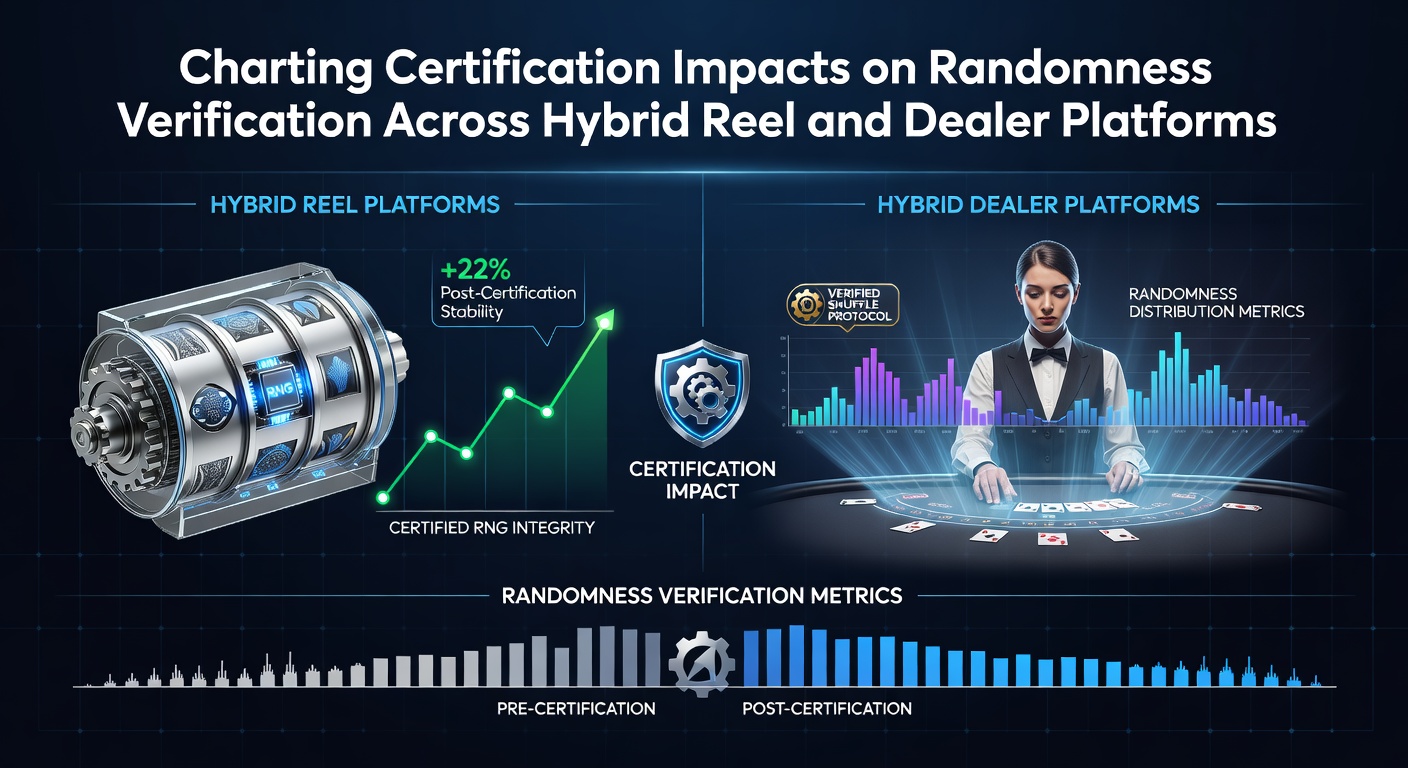
Certification processes for random number generators shape how operators verify fairness across platforms that combine digital reel mechanics with live dealer interactions and these standards continue to evolve as hybrid systems gain wider adoption in regulated markets. Researchers at institutions tracking gaming technology note that independent testing bodies evaluate algorithms used in reel sequences while separate protocols assess live stream integrity and the intersection of these two creates unique verification challenges that certifications aim to address directly.
Hybrid System Architecture and Randomness Requirements
Platforms integrating reel-based games with live dealer tables rely on certified RNGs to generate outcomes for slots and virtual elements while human dealers manage table games in real time and this dual structure demands that certification covers both automated sequences and any supplementary digital components like side bets or bonus rounds. Data from regulatory filings shows that certification labs examine seed generation methods period lengths and statistical distribution patterns to confirm compliance before platforms receive approval for operation. Observers note that hybrid setups introduce additional layers because live feeds can incorporate RNG triggers for card shuffles or wheel spins and certifications must confirm these triggers meet the same uniformity standards applied to pure reel environments.
Certification Bodies and Their Verification Protocols
Testing organizations such as those recognized by the Nevada Gaming Control Board conduct extensive audits that include source code reviews and long-term outcome simulations while the Alcohol and Gaming Commission of Ontario applies similar frameworks adapted to provincial requirements and these parallel approaches allow operators to demonstrate compliance across jurisdictions. Certification typically spans multiple phases beginning with initial algorithm submission followed by on-site evaluations and periodic retesting schedules that occur annually or after significant software updates. According to industry reports the process incorporates chi-square tests and diehard battery suites to measure deviation from expected probabilities and any anomalies trigger additional scrutiny before final certification stamps are issued.
Impacts on Reel Verification
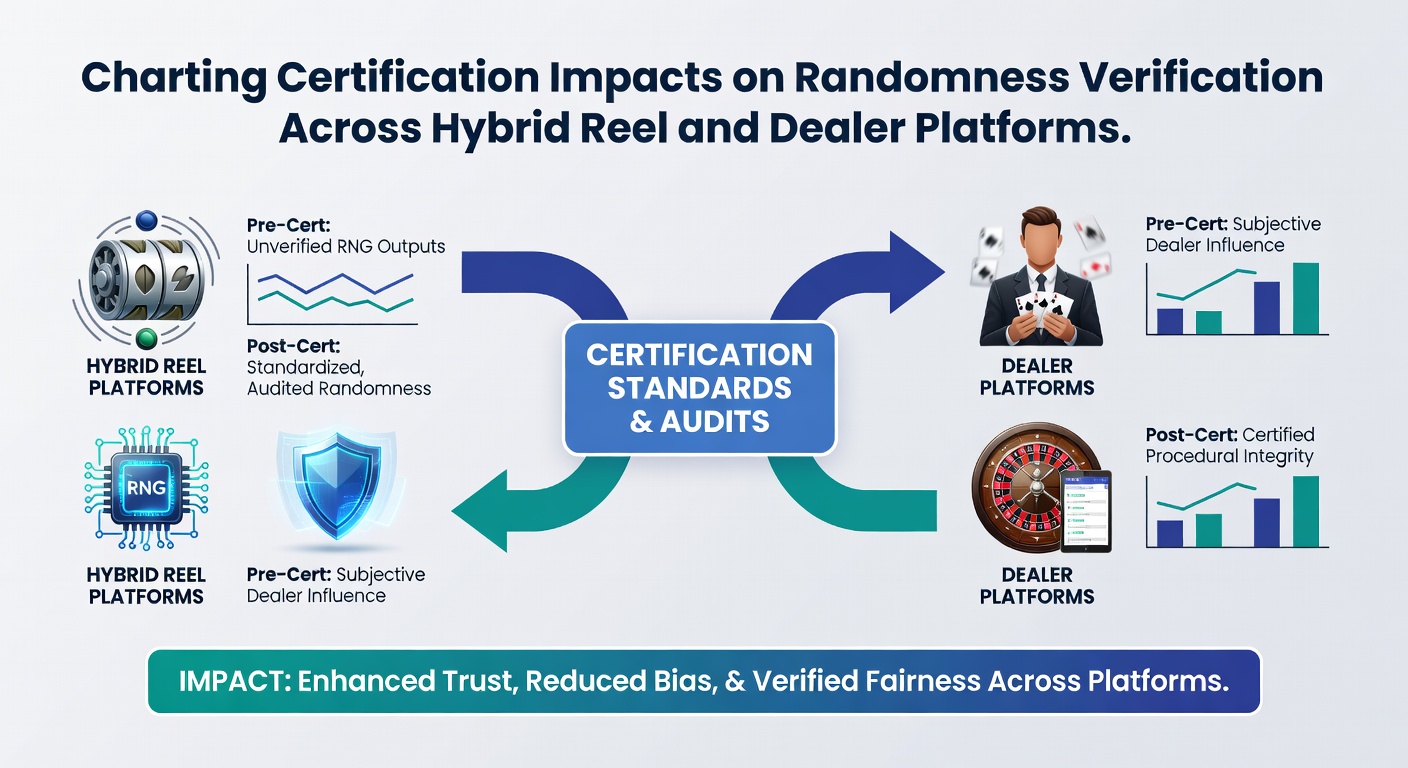
Reel platforms benefit from standardized certification because RNG outputs undergo fixed evaluation cycles that measure return to player percentages and hit frequencies across thousands of simulated spins and this methodical approach reduces variance disputes when players review game histories. Certifications also enforce encryption standards for RNG seeds which prevents external manipulation attempts and operators must maintain logs that auditors can access during routine checks. Those who've studied certification timelines observe that updates in 2025 refined seed entropy requirements leading to more robust verification tools deployed by mid-2026.
Impacts on Live Dealer Integration
Live dealer environments present distinct verification hurdles since physical card decks and roulette wheels operate alongside RNG elements for features like random bonus multipliers and certification extends to the digital interfaces that bridge these components. Labs verify that RNG calls embedded in streaming software produce independent results without correlation to dealer actions and this separation maintains game integrity across extended sessions. Figures from May 2026 regulatory summaries indicate that hybrid operators passing updated certification cycles reported fewer technical discrepancies during live table transitions compared with earlier periods.
Cross-Platform Data and Regulatory Trends
Studies compiled by the International Association of Gaming Regulators reveal that certified hybrid systems achieve higher consistency scores in randomness audits because unified protocols replace fragmented testing methods previously used for separate reel and dealer modules. These aggregated findings cover multiple regions including North American and European markets and they highlight how certification harmonization reduces approval delays when platforms expand across borders. What's interesting is that re-certification frequency has increased in response to faster software iteration cycles with some jurisdictions now requiring quarterly spot checks rather than annual reviews alone.
One documented case involved a major operator that integrated certified RNG modules into its live blackjack streams and subsequent audits confirmed zero statistical bias across more than ten million hands dealt during the first quarter of 2026. Such outcomes demonstrate how certification frameworks support scalable verification without compromising either reel or dealer segments. Academic analyses from university gaming research centers further indicate that certified platforms experience streamlined player trust metrics because published test summaries provide transparent evidence of compliance.
Future Considerations in Certification Evolution
Regulatory bodies continue to refine certification criteria to accommodate emerging hybrid features such as augmented reality overlays on live tables and these adjustments require labs to develop new testing suites that evaluate both visual rendering and underlying RNG calls simultaneously. Data indicates that jurisdictions adopting proactive certification updates in early 2026 saw quicker integration of advanced security layers including blockchain-based outcome logging. The ball remains in the court of testing organizations to maintain pace with technological shifts while operators adapt their verification workflows accordingly.
Conclusion
Certification remains central to randomness verification across hybrid reel and dealer platforms because it establishes consistent benchmarks that address the combined demands of automated and live elements. Ongoing regulatory developments through 2026 underscore how these processes adapt to platform complexity while supporting cross-jurisdictional operations. Observers continue to track how refined protocols influence verification efficiency and outcome transparency in this evolving sector.