Bonus Pathways in Mobile Slots and Dealer Games: Shaping Player Progression
Written by Quinn Keller · Aug 20, 2026
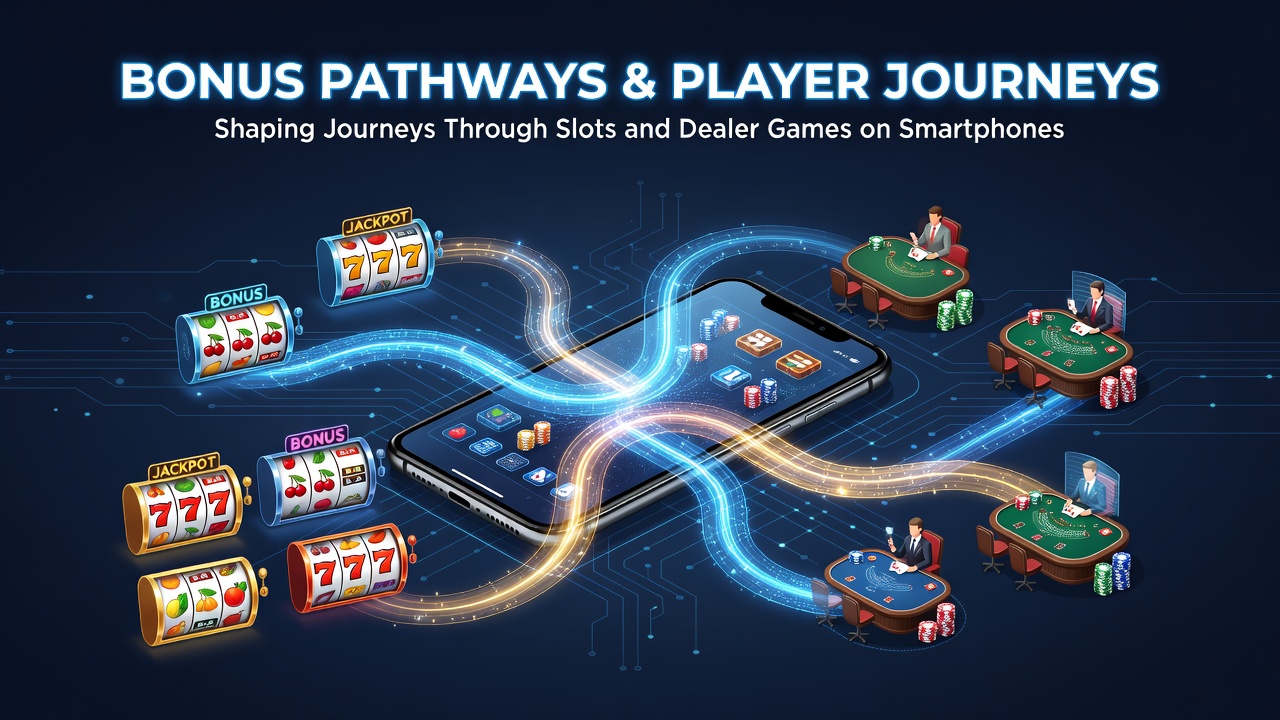
Bonus Pathways in Mobile Slots and Dealer Games: Shaping Player Progression
Bonus pathways function as structured sequences of rewards that direct player movement through slot machines and live dealer tables accessed via smartphones, and data from industry reports shows these mechanisms influence session length along with game selection patterns across portable devices. Observers note that such pathways typically begin with initial sign-up offers before extending into ongoing play incentives that tie together reel-based and table-based activities.
Core Components of Mobile Bonus Structures
Research indicates bonus pathways incorporate deposit matches, free spin allocations, and cashback tiers that activate at specific milestones, and these elements align with both slot volatility settings and dealer game betting limits in unified mobile applications. Studies from gaming research institutions reveal that players encounter these pathways through app interfaces where progress bars track accumulated points toward subsequent reward unlocks, while seamless transitions between slot sessions and live dealer rooms maintain momentum without requiring separate logins.
According to figures from the American Gaming Association, mobile gaming revenue in regulated markets reached notable levels by mid-2026, and this growth correlates with refined bonus designs that encourage cross-game exploration. Those who've analyzed transaction data find that pathways often feature time-limited multipliers which apply equally to slot payouts and dealer game winnings when certain activity thresholds are met.
Progression Through Slot Sequences
Slot-focused bonus pathways commonly route players from basic spin incentives into multiplier-enhanced rounds, and this progression builds cumulative engagement as users advance through themed reel sets on their devices. Evidence suggests that free spin bundles tied to deposit actions frequently lead participants toward higher-volatility titles once initial rewards are claimed, whereas loyalty points collected during these spins convert into entry credits for live dealer environments.
One analysis of user behavior patterns demonstrates how smartphone notifications prompt returns to active pathways, thereby sustaining reel play across multiple days, and this integration keeps participants within the same ecosystem rather than prompting switches to external platforms.
Transitions Into Live Dealer Formats
Dealer game pathways extend slot-derived rewards by converting accumulated credits into table minimums or side-bet vouchers, and this linkage allows seamless movement between automated reels and real-time card or wheel sessions. Data shows that August 2026 recordings from various state regulators documented increased mobile dealer traffic following the rollout of hybrid bonus tiers that reward consecutive slot and table activity within single app sessions.
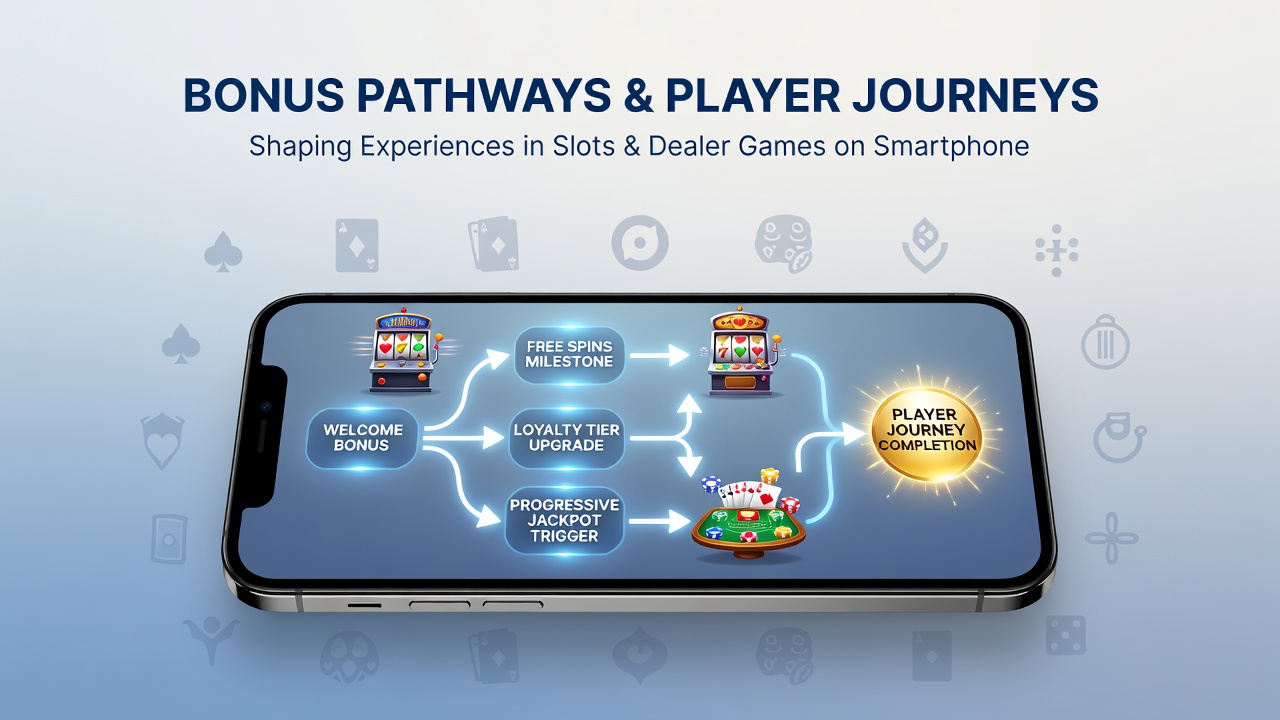
Pathways in this context often include progressive jackpots shared across both formats, while certification requirements ensure randomness verification remains consistent whether players remain on reels or shift to dealer tables. Those tracking certification impacts report that unified platforms maintain equivalent payout verification standards regardless of the bonus stage reached.
Regulatory Influences on Pathway Design
Regional licensing frameworks determine which bonus features appear in combined slot and dealer applications, and recent updates from Canadian provincial authorities along with Australian oversight bodies have standardized disclosure rules for pathway timelines. Observers note that these rules require clear presentation of wagering conditions before players commit funds, which in turn shapes how developers sequence reward availability across mobile interfaces.
Industry reports highlight that pathways must comply with spending caps and age-verification checkpoints, and such constraints guide the pacing of free spin releases or dealer table entries. Research from European gaming associations indicates that compliant designs reduce abrupt session terminations by aligning bonus triggers with verified player limits.
Payment Integration and Journey Continuity
Funding channels intersect with bonus pathways when deposit methods trigger additional spins or table credits, and this connection sustains extended play windows on smartphones. Figures reveal that instant transfer options accelerate progression through early pathway stages, whereas slower methods delay access to dealer game bonuses until verification completes.
One study of blended ecosystems found that players using multiple payment types within the same app often complete more pathway segments before pausing, and this pattern holds across both slot and live dealer segments. Certification frameworks further ensure that these integrations preserve outcome predictability standards regardless of funding route chosen.
Conclusion
Bonus pathways continue to organize player movement through mobile slot and dealer content by linking initial incentives to sustained cross-format participation, and available data confirms their role in maintaining session continuity under prevailing regulatory conditions. As platforms evolve, these structures adapt to new compliance requirements while preserving measurable engagement metrics across smartphone ecosystems.